
ANSI/BOMA Z65.1-2024: Office Buildings Standard - Why Measurement Standards Matter
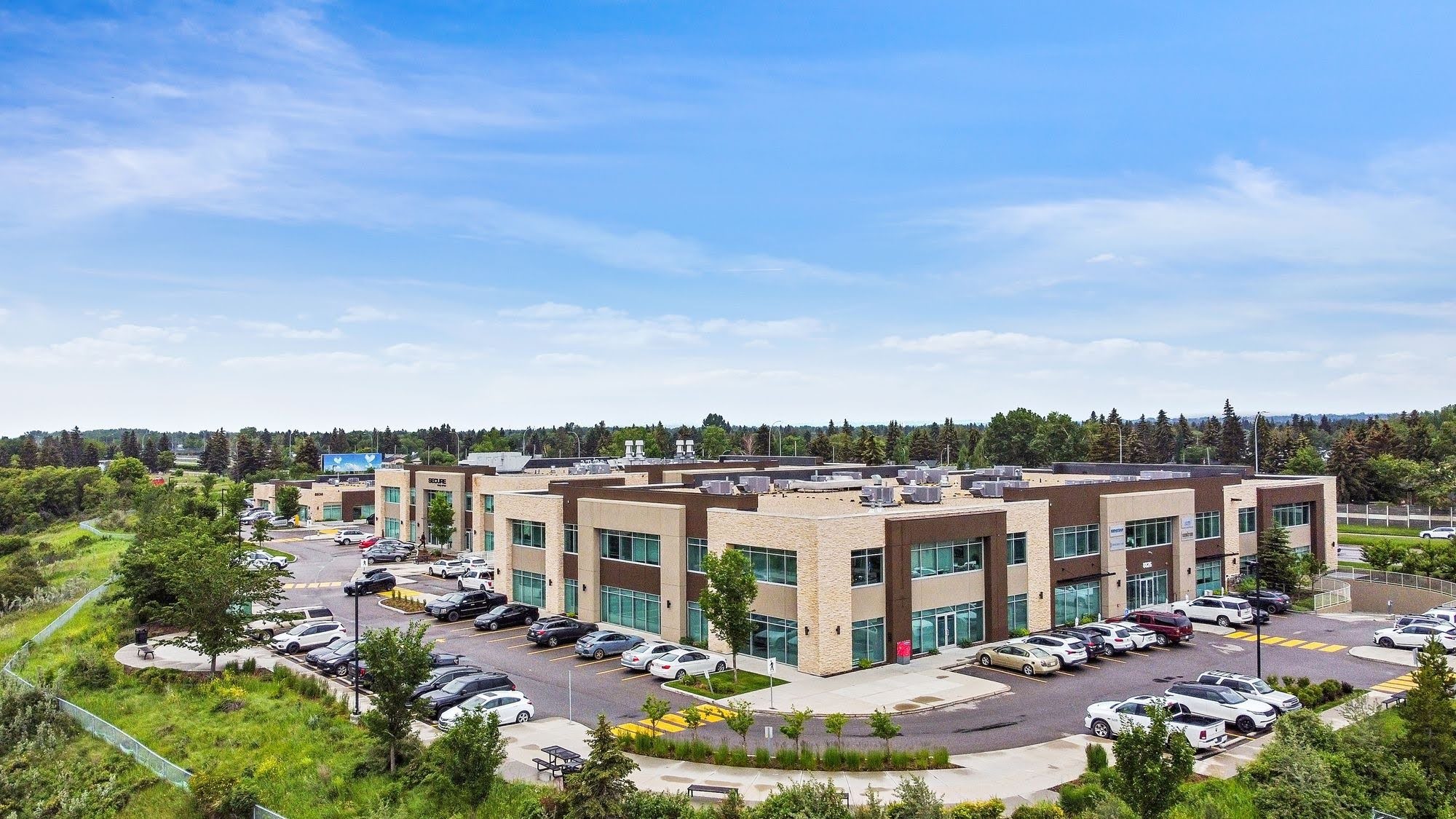
ANSI/BOMA Z65.1-2024: Office Buildings Standard - Why Measurement Standards Matter
Your Complete Guide to Gross Rentable Area & Key Rules
If you own, manage, lease, or design office space, the ANSI/BOMA Z65.1-2024 standard (released in 2024) is the rulebook that defines and specifies exactly how much rentable square footage you can charge for. The accurate measurement of rental spaces has a direct impact on lease rates, expense allocation, building valuation, and net operating income.
Here’s a clear, practical breakdown of BOMA Z65.1’s most important sections, exactly as professionals use them in the field.
Gross Rentable Area (The Measurement That Matters Most)
Gross Rentable Area is the total billable space a tenant pays for. It equals the tenant’s Usable Area plus their proportionate share of common areas (floor service, building service, and building amenity areas). Usable Area (UA) represents the actual space a tenant exclusively occupies and controls for their business operations.
Key Inclusion Rules for Office Buildings:
- All office towers and dedicated private office spaces are included.
- Doctor/medical offices that serve the public are classified as RETAIL, not office (this classification affects how these offices are measured and loaded).
How to Measure to the Boundary:
- In almost all cases, measure to the interior surface of the unit’s walls.
- When a wall adjoins another tenant’s space, a building amenity area, or tenant storage, the wall is considered to be shared (and should be measured to the centerline).
- Special window rule: Where windows are 4 feet or taller, measure to the interior surface of the window pane (this captures every usable inch along glass curtain walls).
Important Special Conditions
Occupant Void
An occupant void is an absence of floor space that occurs exclusively within a tenant’s area. It may be intentional (such as a dramatic double-height reception) or not.
- INCLUDED in the tenant’s boundary area (it counts toward their usable/rentable space).
Building Void
An absence of floor space within the building enclosure that creates vertical air space open to a floor below (classic multi-storey atrium or “open to below” areas).
- NOT INCLUDED in any boundary area — these are excluded from rentable calculations.
Interior Door Setbacks
Interior door setbacks are a common building safety practice. Interior door setbacks move swing doors out of the way of exit corridors so that these doors do not interfere with people’s movement in case of an emergency. Interior door setbacks are specifically addressed on Page 1 of the standard (and carried forward from prior versions). They are typically treated as Tenant Ancillary Area — included in the tenant’s occupant area, even though they sit outside the physical boundary line. Specifically, Tenant Ancillary Area refers to a specific space located immediately outside a tenant’s physical demised premises and is used exclusively by the tenant.
Space Classification – The Heart of the BOMA Z65.1 Standard
BOMA 2024 cleanly divides every square foot of an office building into one of four main categories:
1. Floor Service Areas (serve only one floor)
- Restrooms and associated shafts
- Janitor rooms/closets
- Electrical/telephone rooms
- Mechanical/utility rooms
- Fire hose cabinets
- Door setbacks
2. Building Service Areas (serve the entire building)
- Main and auxiliary lobbies
- Building access/egress corridors
- Mechanical penthouses
- Building mechanical or electrical rooms
- Loading docks
- Caged mechanical areas
- Garbage rooms
- Security rooms
- Bike storage
- Public restrooms
- Building supplies and storage
- Building operation rooms/offices
3. Building Amenity Areas (serve the entire building)
- Shared conference rooms
- Food service facilities
- Health or fitness centers
- Daycare facilities
4. Major Vertical Penetrations (MVPs) – Always Excluded from Rentable Area
Vertical Service Areas include flues, pipe shafts, and vertical ventilation shafts, among others.
Vertical Circulation Areas refer to stairs, including landings, elevators, and escalators.
These MVPs are deducted before any load factors are applied — they belong to the building, not to any tenant. Stairwells and elevators are integral to the everyday operations of a building, and therefore, tenants are not responsible for them.
Why These Rules Matter
The 2024 BOMA update modernizes the measurement standard for today’s amenitized, life-science-heavy, and outdoor-focused office buildings. Life science heavy buildings are those fitted with specialized ventilation systems or have floors designed to carry heavy loads for specialized equipment. Outdoor-focused office buildings often feature rooftop terraces, landscaped courtyards, and open-air meeting areas. BOMA Z65.1 expands what can be included as rentable (especially unenclosed tenant areas, like private balconies and finished rooftop terraces) while providing clearer definitions for voids, single-tenant shafts, and medical/office distinctions.
Using the correct classifications and measurement boundaries ensures:
- Fair load factors between tenants
- Maximum (but defensible) rentable area
- Fewer lease disputes
- Accurate benchmarking and valuation
Whether you’re remeasuring an existing tower, designing a new medical office building, or negotiating a lease, ANSI/BOMA Z65.1-2024 is now the mandatory reference for measuring office buildings.
See our companion video for ANSI/BOMA - Office Buildings - Standard Methods of Measurement
See our companion pieces on methods of measurement for commercial spaces and industrial buildings if you found this quick guide helpful!
Why Landlords and Commercial Tenants Trust UrbanMeasure
Need help applying BOMA Z65.1 rules to your property? At UrbanMeasure, accurate property measurement has been a core part of our work for over two decades. Need help applying these rules to your specific building? We are happy to walk you through real-world examples of occupant voids, window measurements, or the difference between Floor Service versus Building Amenity Areas.
Our team specializes in hand-measured, professionally verified property measurements that comply with applicable measurement standards and reflect the conditions observed at the time of measurement.
In addition to measurement services, UrbanMeasure also provides:
- Professional real estate photography
- Drone and aerial photography
- Marketing floor plans
- 3D tours and video marketing
By combining accurate measurement with high-quality visual marketing, we help real estate professionals present properties with clarity, confidence, and professionalism.
Stay accurate. Measure once, lease with confidence


