
ANSI/BOMA Z65.4-2023: Measuring Multi-Family & Hospitality Properties
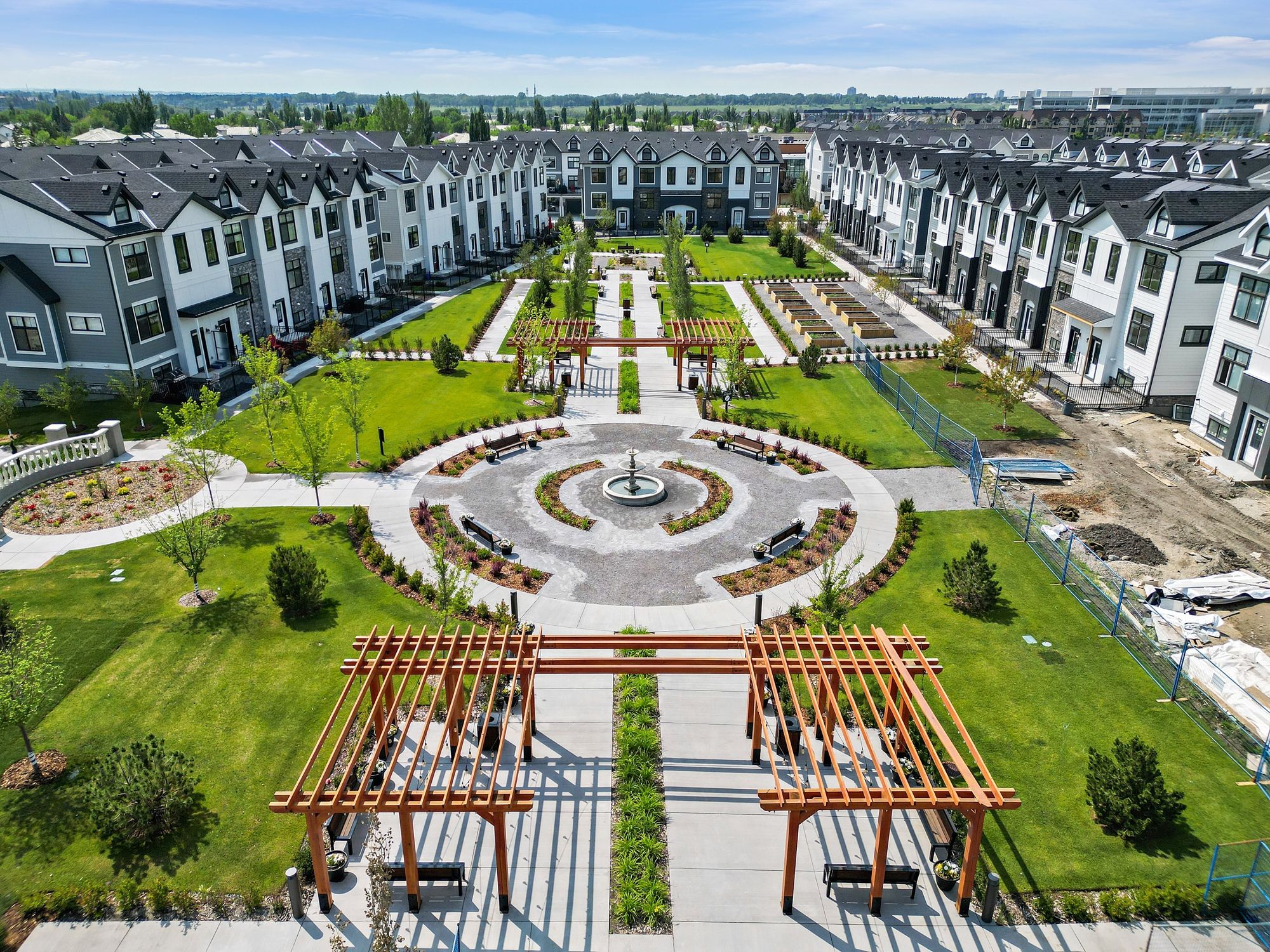
ANSI/BOMA Z65.4-2023: Measuring Multi-Family & Hospitality Properties
Standard Methods of Measurement
BOMA’s Z65.4 standard provides a uniform, consistent way to calculate and report square footage for leasing, valuation, marketing, appraisals, property taxes, insurance, and common-area expense allocations for multi-family and hospitality properties. It's clear framework is designed to reduce potential disputes between owners, managers, tenants, and appraisers by giving everyone the same measurement rulebook.
Scope of Application
The BOMA Multi-Family standard covers any property with five or more residential units (a 4-plex or smaller still uses the older Residential Measurement Standard, or RMS, rules). It now explicitly includes:
- Apartment buildings and condominiums
- Hotels, motels, and resorts
- Conference centers and event spaces
- Mixed-use residential/hospitality properties
This expansion reflects real-world market evolution: many modern properties blend apartments with hotel-style services, short-term rentals, or amenity-rich hospitality components.
Key Rule for Individual Units: “Best-Fit” Flexibility
When measuring a single apartment, hotel room, suite, or penthouse, it is important to choose the measurement method that most accurately reflects that specific unit’s configuration. A compact studio might require one measurement approach, while a sprawling two-story suite with terraces relies on another. This flexibility in approach is a deliberate design feature, and provides a significant improvement over the inflexible one-size-fits-all rules in older standards.
Clean & Simple Space Classifications
BOMA Z65.4 divides all of a building’s space into two broad, easy-to-understand categories:
Non-Living Areas (excluded from a unit’s rentable/living measurement):
- Parking areas (structured or surface)
- Major vertical penetrations (stairs, elevators, elevator shafts, mechanical chases)
- Service and amenity areas (clubhouses, pools, fitness centers, management offices, laundry rooms, maintenance shops)
- Retail areas (now explicitly addressed)
- Occupant storage (locked lockers, bike rooms, cage storage)
These areas are treated as building-wide common or support space. Owners can allocate their costs proportionally to tenants via rentable area calculations.
Living Areas (the space residents pay rent on):
- Enclosed Living Areas: Fully walled and roofed interior spaces—bedrooms, living rooms, kitchens, bathrooms, hallways, closets, etc.
- Unenclosed Living Areas: Balconies, patios, terraces, covered porches, and similar outdoor spaces that are clearly defined and part of the unit. The 2023 update included these in a standardized way for the first time, by recognizing that outdoor living space adds real value and rentability.
The Three Primary Measurement Methods (2023 Edition)
The standard offers three distinct methods, plus the option to measure either a partial portion of a property (e.g., only one wing or floor) or the overall building:
- Inside Gross Method (the “Gross Area Method”) Measures to the inside face of exterior walls and includes most structural elements. This produces the largest numbers and is often used for overall building valuation, tax assessment, or when comparing to construction costs.
- Inside Net Method (one level of the Net Area Method), similar to the 2010 Net Method. Demising walls (walls between units) are measured to the inside finished surface. This is the most tenant-friendly for individual unit sizing because it excludes the thickness of shared walls.
- Centerline Net Method (the second level of the Net Area Method—brand new in 2023) Measures demising walls to the centerline (middle) of the wall. This has long been common industry practice for condominiums and is now officially recognized. It typically produces slightly larger unit sizes than the Inside Net Method while remaining fair and consistent.
These three measurement options (Inside Gross and the two Net variants) give property owners, brokers, and appraisers the ability to pick the method that best matches their leasing strategy, market norms, or legal requirements. The standard also allows proportionate-share allocation of certain non-living areas, making expense pass-throughs transparent and equitable.
What’s New and Improved in the 2023 Edition
The 2010 standard was limited to residential-only buildings and had only two methods (Unit Gross and Unit Net, with distinctions between leased versus owned units). The 2023 update is significantly more user-friendly:
- Expanded to hospitality properties.
- Added outdoor amenity areas and retail space handling.
- Introduced the Centerline Net Method (industry-standard practice).
- Eliminated leased/owned unit distinctions.
- Added Partial Measurement capability.
- Improved text, illustrations, helpful hints, and step-by-step layout.
- Better support for mixed-use and amenity-rich properties.
Why This Standard Matters in Practice
- Leasing & Marketing: Clear, defensible square footage numbers prevent tenant disputes and allow apples-to-apples comparisons.
- Valuation & Financing: Appraisers, lenders, and investors rely on BOMA measurements for consistent property valuations.
- Expense Allocation: Common-area costs (utilities, maintenance, taxes) are fairly distributed based on each unit’s proportionate share.
- Legal & Regulatory Compliance: Many municipalities, lenders, and contracts now reference BOMA standards by name.
- Modern Developments: It finally accounts for the way people actually live, balconies, resort-style amenities, mixed residential/hotel uses, without forcing outdated or overly simplistic rules.
In short, ANSI/BOMA Z65.4-2023 brings clarity, flexibility, and consistency to an industry that previously relied on a patchwork of local customs and the older 2010 rules. Whether you’re a property owner calculating rentable square footage for a 300-unit apartment complex, a hotel operator measuring guest-room revenue potential, or an appraiser valuing a mixed-use resort, this standard gives you a professional, defensible, and up-to-date methodology that reflects how today’s multi-family and hospitality properties are actually built and used.
See our companion pieces on methods of measurement for retail spaces and office buildings if you found this quick guide helpful!
Why Lessors and Commercial Tenants Trust UrbanMeasure
Need help applying BOMA Z65.4 rules to your property? At UrbanMeasure, accurate property measurement has been a core part of our work for over two decades. We are happy to review specific floor plans, walk through load-factor calculations, or explain the difference between Floor Service versus Building Service Areas in a real warehouse.
Our team specializes in hand-measured, professionally verified property measurements that comply with applicable measurement standards and reflect the conditions observed at the time of measurement.
In addition to measurement services, UrbanMeasure also provides:
- Professional real estate photography
- Drone and aerial photography
- Marketing floor plans
- 3D tours and video marketing
By combining accurate measurement with high-quality visual marketing, we help real estate professionals present properties with clarity, confidence, and professionalism.
Stay accurate. Measure once, lease with confidence! Maximize Value!


